
Minimalist aesthetics focus on simplicity, functionality, and the elimination of excess. Achieving this refined elegance often involves careful selection of materials and decorative elements that resonate with the minimalist ethos. One such element is Japanese Earthenware, which provides a unique blend of natural textures and understated beauty. This article explores how incorporating Japanese Earthenware can enhance the minimalist aesthetics of home interiors, focusing on its compatibility with minimalist design principles, its role in texture and color, its ability to create harmony, and practical ways to integrate it into modern living spaces.
How Japanese Earthenware Complements Minimalist Design Principles
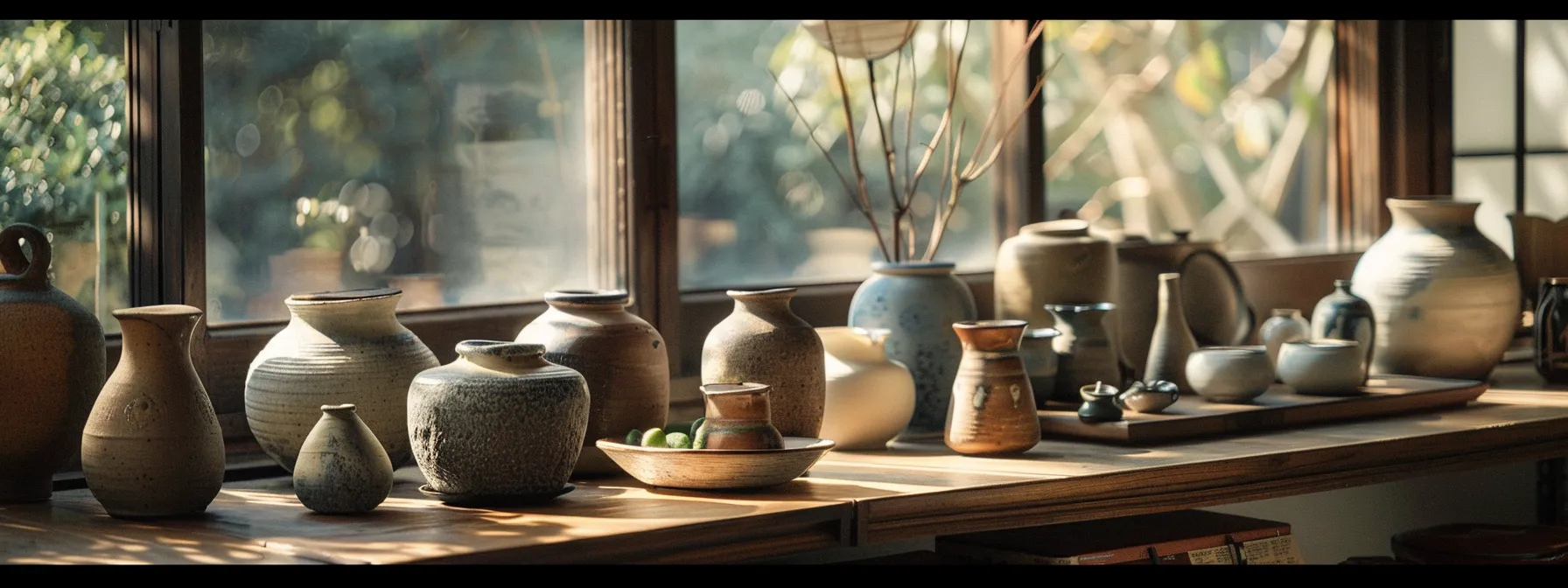
Japanese Earthenware is known for its simplicity and organic forms, embodying the minimalist design principle of “less is more.” This type of pottery emphasizes subtle imperfections and natural beauty, aligning seamlessly with the minimalist aesthetic that values simplicity and tranquility. The use of such materials can enhance a space’s design intent by providing an element that is both functional and aesthetically pleasing. For instance, incorporating earthenware pieces in a room can create a focal point that draws the eye without overwhelming the senses, adhering to principles of Space Planning that prioritize efficiency and flow.
Furthermore, the natural hues and textures inherent in Japanese Earthenware complement neutral color palettes commonly used in minimalist interiors. This synergy allows for a cohesive design that feels both modern and timeless. By integrating Japanese Earthenware, homeowners can achieve a balanced look that aligns with the minimalist objective of creating spaces that are both functional and serene.
The Role of Texture and Color in Japanese Earthenware
The texture and color of Japanese Earthenware play a crucial role in enhancing minimalist aesthetics. The pottery’s tactile quality provides an engaging contrast to smooth surfaces commonly found in minimalist settings. This textural variation can be critical in creating visual interest and depth within a space. When paired with a thoughtfully designed Mood Board, Japanese Earthenware adds a layer of complexity that enriches the overall design.
Color Theory also comes into play, as the muted tones of Japanese Earthenware often include earthy shades that harmonize with minimalist interiors. These colors can evoke a sense of calm and balance, essential components of minimalist design. The subtle integration of color through pottery can tie together various elements of a room without disrupting its serene ambiance, thus supporting an open concept layout where fluidity and cohesion are paramount.
Creating Harmony and Balance with Japanese Pottery
Japanese pottery is not just about aesthetics; it’s about creating a harmonious environment that aligns with minimalist principles. The use of Japanese Earthenware can foster a sense of balance, both visually and energetically. By strategically placing pottery pieces, homeowners can achieve a zen-like tranquility that enhances the overall atmosphere of their home.
The concept of balance is deeply rooted in minimalist design, where each element must contribute to the whole without overpowering it. Japanese Earthenware supports this by offering a natural, grounded presence that complements other design elements. This approach to design not only adheres to minimalist principles but also enriches the living space with cultural depth and historical context. For example, integrating pieces from the rich tradition of Japanese Earthenware adds authenticity and a story, enhancing both the aesthetic and experiential quality of the space.
Incorporating Japanese Earthenware into Modern Living Spaces
Incorporating Japanese Earthenware into modern living spaces requires thoughtful consideration of placement and purpose. These pieces can serve as functional art when used as planters, vases, or decorative bowls, seamlessly blending with minimalist furniture and fixtures. Selecting earthenware that complements the FF&E — the furniture, fixtures, and equipment — ensures that each piece contributes to the room’s overall design intent.
One effective strategy is to use earthenware to accentuate the Hardscape elements in a room, such as stone or wood finishes. The pottery’s natural texture can complement these materials, enhancing the space’s thermal mass — the ability to store and regulate heat — which contributes to a room’s comfort and efficiency. This method not only adds visual interest but also aligns with sustainable design practices like LEED Certification, which values the use of natural materials that improve environmental quality.
Conclusion
Incorporating Japanese Earthenware into minimalist interiors offers a myriad of benefits, from enhancing design principles to adding texture and color. This approach fosters harmony and balance within a space, creating an environment that is both aesthetically pleasing and functionally efficient. For those seeking to elevate their home’s interior design, Japanese Earthenware provides a timeless solution that enriches the minimalist aesthetic with cultural depth and natural beauty.